

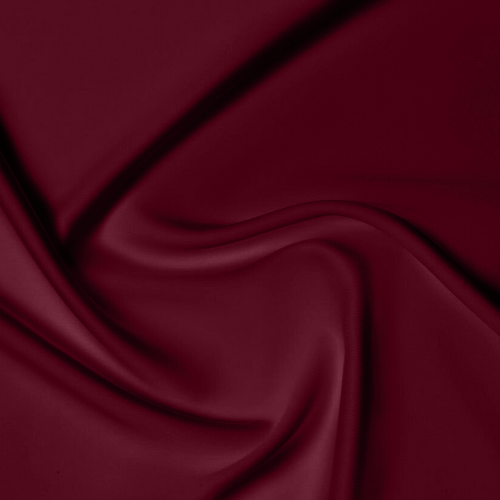
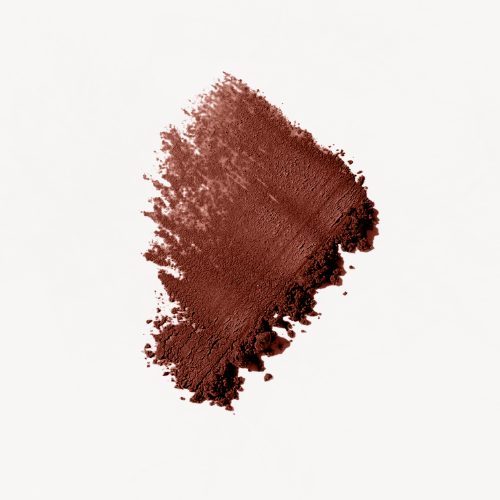
Burnt Velvet Plant-Based Powdered Fabric Dye
Natural Botanical Powder Dye | DIY Colour Dyes
Pairs well with
Part of the Ethical Bedding Family
Delivered in 2-5 Days
Designed By Sleep Specialists
Burnt Velvet Plant-Based Powdered Fabric Dye
Product Description
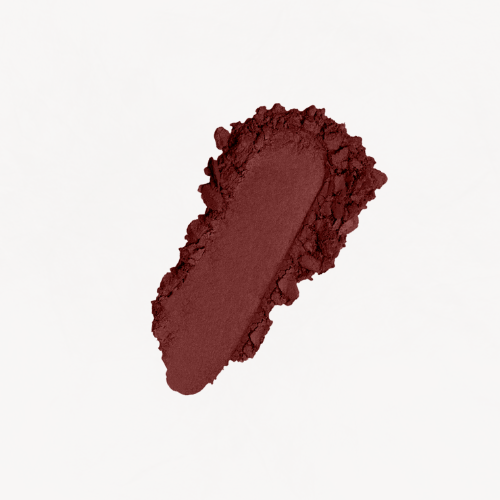
Burnt Velvet is a plant-based, eco-friendly powder dye that gives your fabrics a deep, elegant red. Inspired by the rich tones of aged velvet, it adds a touch of refinement and lasting colour to your textiles.
Made from the leftover resin waste of Laccifer Laca, also known as Lac Resin, native to Southeast Asia, Burnt Velvet dye brings a deep, elegant red to natural fabrics such as cotton, linen, hemp, silk, wool, bamboo, and eucalyptus. Historically prized as a natural dye for royal garments, the resin carries a legacy of richness and refinement. Burnt Velvet adds bold, timeless color to sustainable crafts, handmade clothing, statement pieces, accessories, or home textiles, offering a natural red that feels both grounded in nature and sophisticated in style.
Whatever sustainable DIY project you’re working on, Burnt Velvet delivers a rich, natural red that feels timeless and traditional. Craft with Burnt Velvet to achieve a red that feels both grounded in nature and timeless in style.

WHY CHOOSE
WildHue Botanical Dyes
Hear from James, our CEO and sleep specialist, on the benefits and unique properties of WildHue's natural botanical powder dyes.
Wild Hue botanical fabric dyes are effective on natural and synthetic fibres, including cotton, linen, hemp, eucalyptus silk, wool, and bamboo. Each fibre type absorbs dye differently, giving every project a unique finish:
- Protein fibres (such as silk and wool) produce deeper, more vibrant colours.
- Cellulosic fibres (such as cotton and linen) yield lighter, subtler tones.
These natural variations mean no two pieces will ever look exactly the same - every creation is truly one-of-a-kind, while remaining non-toxic, safe, and sustainable.
Colour Your World

If you have any questions, you are always welcome to contact us. We'll get back to you as soon as possible, within 24 hours on weekdays.
-
Shipping Information
We aim to ship your bedding within 1-2 days
-
Customer Support
Use this text to answer questions in as much detail as possible for your customers.
-
FAQ’s
Use this text to answer questions in as much detail as possible for your customers.
-
Contact Us
Use this text to answer questions in as much detail as possible for your customers.
Explore Our Dyes
At Wild Hue™, sustainability is at the heart of everything we do. Our botanical powder dyes are:
- Biodegradable, non-toxic, and hypoallergenic – safe for your skin and the environment
- Produced in collaboration with artisans in India, preserving traditional dyeing techniques passed down for generations
- Designed to support both cultural heritage and ecological responsibility
With Wild Hue, you’re not just dyeing fabric - you’re creating naturally beautiful textiles while making an environmentally conscious choice.
Dye Guide
- 50 g packet → dyes up to 1 kg of fabric
Example: a pair of socks or a lightweight scarf - 100 g packet → dyes up to 2 kg of fabric
Example: a cotton T-shirt or pillowcases - 200 g (2 × 100 g) → dyes up to 4 kg of fabric
Example: a hoodie, jumper, or medium-weight dress - 400 g (4 × 100 g) → dyes up to 8 kg of fabric
Example: a double duvet cover or a set of curtains
Top Tip: Use a little more dye for deeper colours, or a little less for softer tones.
Top Tips
- Give fabrics space: Always allow room for textiles to move freely in the dye bath for even coverage.
- Adjust colour depth: Add more dye or increase soaking time for deeper tones. Use less dye or reduce time for lighter shades.
- Embrace uniqueness: Every fabric absorbs natural dye differently, ensuring every piece is one-of-a-kind.